跳至产品信息
1 / 2

Global Vet & Co

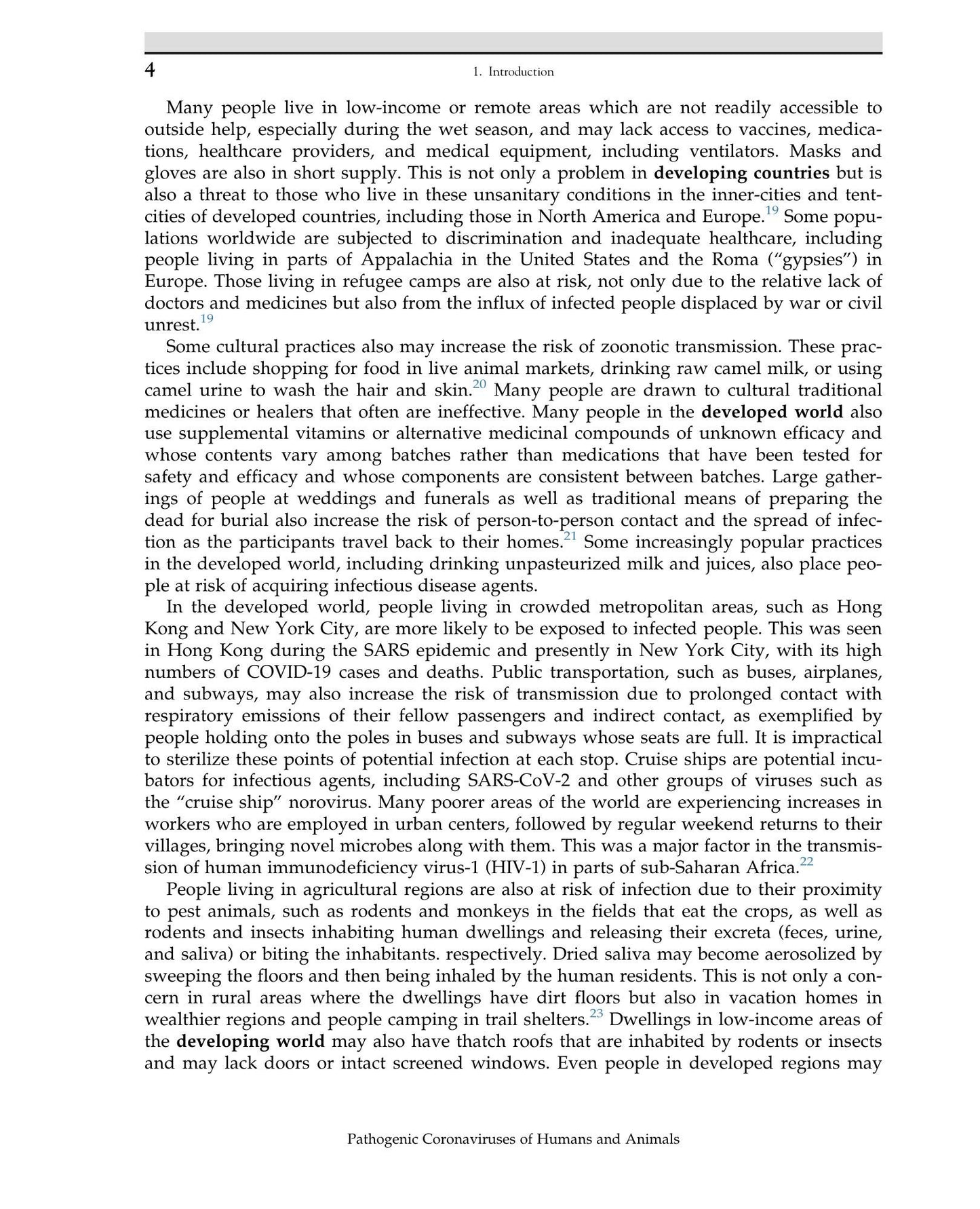
Pathogenic Coronaviruses of Humans and Animals; SARS, MERS, COVID-19, and Animal Coronaviruses with

Pathogenic Coronaviruses of Humans and Animals; SARS, MERS, COVID-19, and Animal Coronaviruses with

常规价格 HK$200.00
常规价格 促销价 HK$200.00
促销 售罄
结账时计算的运费
数量

Pathogenic Coronaviruses of Humans and Animals; SARS, MERS, COVID-19, and Animal Coronaviruses with

Category: Default

Digital download (PDF).

Table of Contents

🔒

Sample Preview

The full PDF is available after purchase. Instant download. Lifetime access. Read on any device.

Trusted by 4,000+ veterinary professionals worldwide.

  • Contents (p.7)
  • Contributors (p.19)
  • Preface to the second edition (p.36)
  • Preface to the first edition (p.37)
  • 1 Identification of the high-risk pregnancy (p.43)
  • 2 Monitoring the high-risk pregnancy (p.54)
  • 3 Management of the high-risk pregnancy (p.63)
  • 4 Ultrasonographic monitoring of the fetus (p.77)
  • 5 Sedation and anesthesia of the pregnant mare (p.93)
  • 6 The normal post partum foal (p.101)
  • 7 Endocrinological adaptation (p.107)
  • 8 The placenta (p.122)
  • 9 Examination of the placenta (p.137)
  • 10 Peri-parturient management of the mare and neonate (p.149)
  • 11 Foal rejection (p.155)
  • 12 Prematurity, dysmaturity and assessment of maturity (p.159)
  • 13 Resuscitation (foal and birth) (p.166)
  • 14 Shock (p.174)
  • 15 Perinatal asphyxia syndrome (p.185)
  • 16 Sepsis (p.192)
  • 17 Critical care – assessment (p.205)
  • 18 Critical care – monitoring (p.215)
  • 19 Critical care – treatment (p.227)
  • 20 Complications of neonatal infection (p.236)
  • 21 Fluid therapy (p.243)
  • 22 Respiratory assistance (p.253)
  • 23 Sedation, anesthesia and analgesia (p.259)
  • 24 Stabilization and preparation for transport (p.268)
  • 25 Transfusion techniques (p.276)
  • 26 Diagnostic ultrasonography of the abdomen (p.281)
  • 27 Antibiotic therapy (p.291)
  • 28 Enteral and parenteral nutrition for the neonatal foal (p.301)
  • 29 Growth of horses (p.318)
  • 30 Important gastrointestinal parasites (p.330)
  • 31 Vaccination of mares, foals and weanlings (p.340)
  • 32 Development of the foal immune system (p.369)
  • 33 Colostrum: Assessment of quality and artificial supplementation (p.380)
  • 34 Assessment and modification of passive transfer (p.384)
  • 35 Neonatal isoerythrolysis (p.391)
  • 36 Immunodeficiencies in foals (p.399)
  • 37 Severe combined immunodeficiency (p.407)
  • 38 Thrombocytopenia and selective IgM deficiency (p.411)
  • 39 Meconium impaction (p.417)
  • 40 Neonatal diarrhea (p.423)
  • 41 Gastroduodenal ulceration: The neonatal perspective (p.432)
  • 42 Surgical gastrointestinal conditions (p.437)
  • 43 Other gastrointestinal disorders (chyloperitoneum, atresia, lethal white) (p.443)
  • 44 Hepatic disease (p.447)
  • 45 Anemia (p.457)
  • 46 Coagulation disorders (p.464)
  • 47 Fetal ossification and normal joint development (p.471)
  • 48 Flexural deformities (p.479)
  • 49 Fractures commonly seen in foals (p.484)
  • 50 Infectious arthritis and osteomyelitis (p.495)
  • 51 Muscle disorders (p.501)
  • 52 Tendon and ligament disorders (p.507)
  • 53 Neurological evaluation (p.515)
  • 54 Neurological disorders in the neonatal foal (p.521)
  • 55 Techniques in diagnosis and monitoring of cardiovascular disease (p.537)
  • 56 Congenital abnormalities of the cardiovascular system (p.545)
  • 57 Acquired abnormalities of the cardiovascular system (p.549)
  • 58 Endocrine abnormalities (p.561)
  • 59 Ophthalmic disorders of the foal (p.573)
  • 60 Diseases of the skin (p.593)
  • 61 Diagnostic approach to respiratory disorders (p.613)
  • 62 Acute respiratory distress syndrome (ARDS) (p.620)
  • 63 Respiratory diseases specific to the neonate (p.624)
  • 64 Aspiration pneumonia (p.630)
  • 65 Other disorders of breathing (p.635)
  • 66 Bacterial and viral respiratory disease of the neonate (p.639)
  • 67 Congenital abnormalities of the respiratory system (p.647)
  • 68 Genetic basis of respiratory disorders (p.653)
  • 69 Disorders of the bladder, ureters and urethra (p.663)
  • 70 Disorders of the umbilicus and urachus (p.670)
  • 71 Renal problems (p.684)
  • 72 Congenital problems of foals (p.701)
  • 73 Inherited problems of foals (p.711)
  • 74 Gastroduodenal ulcer complex of the older foal (p.721)
  • 75 Rhodococcus pneumonia: Epidemiology and prophylaxis (p.726)
  • 76 Rhodococcus pneumonia: Pathogenesis, diagnosis and therapy (p.733)
  • 77 Strangles (p.742)
  • 78 Other bacterial respiratory diseases of the older foal (p.748)
  • 79 Viral respiratory diseases of the older foal (p.758)
  • 80 Neurological conditions (EPM, EMND wobblers, trauma, etc) (p.766)
  • 81 Diarrhea (p.772)
  • 82 Colic (p.787)
  • 83 Weight loss (p.796)
  • 84 Angular limb deformities (p.806)
  • 85 Developmental orthopedic disease (p.810)
  • 86 Feeding the growing horse to avoid developmental orthopedic disease (DOD) (p.820)
  • 87 Presale endoscopy (p.832)
  • 88 Presale radiographs (p.839)
  • 89 Presale radiographic interpretation and significance (p.847)
  • 90 Development of a NICU (p.891)
  • 91 Diagnostic laboratory resources and critical care supplies (p.900)
  • 92 Formulary (p.908)
  • 93 Hematology and biochemical reference values (p.921)
  • 94 SI Conversion Table (p.927)
  • 95 Functional anatomy of the adult male (p.937)
  • 96 Physiology and endocrinology (p.951)
  • 97 From a sperm’s eye view: Revisiting our perception of this intriguing cell (p.979)
  • 98 Oxidative stress in sperm (p.1061)
  • 99 Endocrine–paracrine–autocrine regulation of reproductive function in the stallion (p.1066)
  • 100 Puberty (p.1085)
  • 101 Spermatogenesis (p.1096)
  • 102 Spermatozoal function (p.1123)
  • 103 Sperm-oviduct interactions (p.1155)
  • 104 Sperm–uterine interactions (p.1162)
  • 105 Testicular descent (p.1169)
  • 106 Developmental abnormalities of the male reproductive tract (p.1179)
  • 107 Abnormalities of the accessory sex glands (p.1183)
  • 108 Abnormalities of the ejaculate (p.1189)
  • 109 Abnormalities of the penis and prepuce (p.1200)
  • 110 Abnormalities of the spermatic cord (p.1215)
  • 111 Epididymal abnormalities (p.1226)
  • 112 Abnormalities of the testicles (p.1231)
  • 113 Neoplasia of the reproductive tract (p.1236)
  • 114 Drugs that adversely affect spermatogenesis (p.1245)
  • 115 Dual hemisphere breeding programs (p.1254)
  • 116 Immunocastration (p.1261)
  • 117 Management of stallions in artificial insemination (p.1268)
  • 118 Management of stallions in natural-service programs (p.1278)
  • 119 Nutrition and exercise for breeding stallions (p.1298)
  • 120 Management of subfertile stallions under natural-mating conditions (p.1310)
  • 121 Venereal disease (p.1320)
  • 122 Historical perspectives of artificial insemination (p.1331)
  • 123 Semen collection techniques and insemination procedures (p.1338)
  • 124 Evaluation of semen (p.1348)
  • 125 Spermatozoal motility (p.1362)
  • 126 Spermatozoal morphology (p.1367)
  • 127 Principles of cooled semen (p.1378)
  • 128 Breeding with cooled transported semen (p.1386)
  • 129 Experiences with a large-scale cooled transported semen program (p.1393)
  • 130 Containers for transport of equine semen (p.1400)
  • 131 Semen extenders for cooled semen (Europe) (p.1406)
  • 132 Semen extenders for cooled semen (North America) (p.1411)
  • 133 Factors affecting sperm production and output (p.1414)
  • 134 Reproductive parameters of draft horse, friesian and warmblood stallions (p.1432)
  • 135 Reproductive parameters from light horse stallions (p.1437)
  • 136 Reproductive parameters from miniature stallions (p.1447)
  • 137 Normal sexual behavior (p.1455)
  • 138 Handling the breeding stallion (p.1461)
  • 139 The novice breeding stallion (p.1466)
  • 140 Training a stallion to the phantom (p.1472)
  • 141 Abnormal sexual behavior (p.1477)
  • 142 Pharmacological manipulation of ejaculation (p.1483)
  • 143 Pharmacological manipulation of stallion behavior (p.1485)
  • 144 Specific erection and ejaculatory dysfunctions (p.1489)
  • 145 Stereotypic behavior of stallions (p.1493)
  • 146 Historical information (p.1499)
  • 147 Diagnostics and therapeutics for stallions with declining fertility: An endocrine– paracrine–autocrine approach (p.1505)
  • 148 Endoscopy of the internal reproductive tract (p.1518)
  • 149 Examination of external genitalia (p.1528)
  • 150 Cytogenetic evaluation (p.1532)
  • 151 Ultrasonography of the genital tract (p.1539)
  • 152 Acrosomal function (p.1561)
  • 153 Evaluation of the plasma membrane (p.1568)
  • 154 Sperm chromatin structure assay (p.1576)
  • 155 Spermatozoal viability (p.1580)
  • 156 Clinical uses of testicular biopsy (p.1587)
  • 157 Testicular biopsy (p.1593)
  • 158 Cryptorchid castration (p.1601)
  • 159 Inguinal hernia (p.1610)
  • 160 Laparoscopic surgery (p.1616)
  • 161 Laser assisted castration (p.1623)
  • 162 Normal field castration (p.1627)
  • 163 Surgery of the penis and prepuce (p.1632)
  • 164 External reproductive anatomy (p.1647)
  • 165 Internal reproductive anatomy (p.1652)
  • 166 How hormones work (p.1671)
  • 167 GnRH (p.1678)
  • 168 FSH and LH (p.1689)
  • 169 Estrogens (p.1701)
  • 170 Progesterone (p.1707)
  • 171 Prostaglandins (p.1712)
  • 172 Equine chorionic gonadotropin (eCG) (p.1718)
  • 173 Adrenal steroids (p.1735)
  • 174 Melatonin (p.1739)
  • 175 Oxytocin, inhibin, activin, relaxin and prolactin (p.1749)
  • 176 Puberty (p.1759)
  • 177 Anestrus (p.1766)
  • 178 Vernal transition into the breeding season (p.1774)
  • 179 Estrus (p.1786)
  • 180 Diestrus (p.1798)
  • 181 Autumnal transition out of the breeding season (p.1802)
  • 182 The abnormal estrous cycle (p.1824)
  • 183 Photoperiod (p.1841)
  • 184 Progesterone (p.1848)
  • 185 GnRH (p.1852)
  • 186 Dopamine antagonists (p.1858)
  • 187 Prostaglandins (p.1867)
  • 188 Human chorionic gonadotropin (p.1874)
  • 189 Progestagens and progesterone (p.1881)
  • 190 Gonadotropin-releasing hormones (p.1890)
  • 191 Estrogen therapy (p.1895)
  • 192 Oxytocin (p.1900)
  • 193 Superovulation (p.1906)
  • 194 Estrus suppression (p.1915)
  • 195 Inhibin immunotherapy (p.1924)
  • 196 Induction of ovulation (p.1928)
  • 197 Synchronization of ovulation (p.1940)
  • 198 New techniques in hormonal delivery (p.1949)
  • 199 Contraception (p.1958)
  • 200 History (p.1967)
  • 201 Vaginal examination (p.1970)
  • 202 Direct rectal palpation (p.1974)
  • 203 Ultrasonography (p.1984)
  • 204 Uterine cytology (p.1992)
  • 205 Endometrial biopsy (p.1999)
  • 206 Endoscopic examination (p.2010)
  • 207 Cytogenetic evaluation of mares and foals (p.2021)
  • 208 Uterine and clitoral cultures (p.2033)
  • 209 Use of chromogenic agar to diagnose reproductive pathogens (p.2049)
  • 210 Evaluation of uterine tubal patency (p.2058)
  • 211 Laparoscopy (p.2061)
  • 212 Normal anatomy (p.2073)
  • 213 Folliculogenesis (p.2079)
  • 214 Ovulation: Part 1. Follicle development and endocrinology during the periovulatory period (p.2090)
  • 215 Ovulation: Part 2. Ultrasonographic morphology of the preovulatory follicle (p.2102)
  • 216 Luteal development (p.2125)
  • 217 Pregnancy (p.2135)
  • 218 Equine fetal sex determination between 55 and 150 days (p.2150)
  • 219 Fetal gender determination from mid to advanced gestation (p.2164)
  • 220 Management of twins (p.2169)
  • 221 Early embryonic loss (p.2188)
  • 222 Ovarian abnormalities (p.2193)
  • 223 Uterine abnormalities (p.2207)
  • 224 Mammary gland (p.2232)
  • 225 Embryo morphology, growth and development (p.2237)
  • 226 Fetal membrane differentiation, implantation and early placentation (p.2257)
  • 227 Maternal recognition of pregnancy (p.2270)
  • 228 Sex determination and differentiation (p.2281)
  • 229 Endocrinology of pregnancy (p.2292)
  • 230 Development and morphology of the placenta (p.2304)
  • 231 Pregnancy examination (p.2315)
  • 232 Induction of parturition (p.2332)
  • 233 Parturition (p.2338)
  • 234 Lactation (p.2347)
  • 235 Uterine involution (p.2361)
  • 236 Breeding mares on foal heat (p.2364)
  • 237 Inter and extraspecies equine pregnancies (p.2372)
  • 238 Induction of abortion (p.2390)
  • 239 Embryonic loss (p.2397)
  • 240 Abortions and stillbirths: A pathologists overview (p.2441)
  • 241 Origin and outcome of twin pregnancies (p.2452)
  • 242 Placentitis (p.2461)
  • 243 Hydrops (p.2470)
  • 244 Fetal maceration and mummification (p.2475)
  • 245 Equine herpesvirus (p.2478)
  • 246 Equine viral arteritis (p.2493)
  • 247 Contagious equine metritis (p.2501)
  • 248 Mare reproductive loss syndrome (p.2512)
  • 249 Fescue toxicosis (p.2520)
  • 250 Prepubic and abdominal wall rupture (p.2530)
  • 251 Uterine prolapse (p.2533)
  • 252 Uterine torsion (p.2537)
  • 253 Abnormalities of pregnancy (p.2543)
  • 254 Maintenance of pregnancy (p.2557)
  • 255 Dystocia management (p.2581)
  • 256 Fetotomy (p.2599)
  • 257 Cesarian section (p.2607)
  • 258 Referral dystocias (p.2613)
  • 259 Periparturient hemorrhage (p.2619)
  • 260 Retained fetal membranes (p.2622)
  • 261 Postpartum metritis (p.2632)
  • 262 Pneumovagina (p.2639)
  • 263 Surgery of the caudal reproductive tract (p.2647)
  • 264 Cervical surgery (p.2661)
  • 265 Ovariectomy (p.2666)
  • 266 Hysterectomy (p.2676)
  • 267 Rectal tears (p.2680)
  • 268 Immunological considerations (p.2689)
  • 269 Abnormalities of contractility (p.2699)
  • 270 Abnormalities of development (p.2709)
  • 271 Endometritis (p.2710)
  • 272 Breeding the problem mare (p.2722)
  • 273 Fungal endometritis (p.2745)
  • 274 Pyometra (p.2754)
  • 275 Treatment of fluid accumulation (p.2757)
  • 276 Uterine cysts (p.2767)
  • 277 Uterine abnormalities (p.2771)
  • 278 Laboratory methods for isolation and evaluation of bacteria, fungi and yeast (p.2776)
  • 279 Disorders of ovulation (p.2787)
  • 280 Disorders of the oviduct (p.2794)
  • 281 Non-neoplastic abnormalities (p.2799)
  • 282 Ovarian neoplasia (p.2809)
  • 283 Abnormalities of cervical and vaginal development (p.2821)
  • 284 Cervix adhesions (p.2823)
  • 285 Failure to dilate (p.2826)
  • 286 Pre-foaling mammary secretions (p.2835)
  • 287 Mastitis (p.2840)
  • 288 Mammary neoplasia (p.2844)
  • 289 Preventative medicine for broodmare farms (p.2849)
  • 290 Dietary support for geriatric broodmares and stallions (p.2857)
  • 291 Nutrition for the broodmare (p.2862)
  • 292 Stereotypic behavior (p.2873)
  • 293 Reproductive efficiency (p.2881)
  • 294 Pituitary pars intermedia dysfunction (Equine Cushing’s syndrome) (p.2892)
  • 295 Epidemiology applied to horse reproduction (p.2898)
  • 296 Management of the geriatric mare (p.2905)
  • 297 Parentage testing (p.2922)
  • 298 Relevance of genomics to equine reproduction (p.2929)
  • 299 Donkey reproduction (p.2937)
  • 300 Miniature pony reproduction (p.2941)
  • 301 Asian wild horse reproduction: Equus ferus przewalskii (p.2948)
  • 302 Zebra reproduction (p.2953)
  • 303 Embryo transfer (p.2973)
  • 304 Cooled transported embryo technology (p.2982)
  • 305 Freezing of embryos (p.2989)
  • 306 Import and export of embryos (p.3023)
  • 307 Nuclear Transfer (p.3026)
  • 308 Immature oocyte collection and maturation (p.3033)
  • 309 Mature oocyte collection (p.3038)
  • 310 Oocyte transfer (p.3043)
  • 311 Gamete intrafallopian transfer (GIFT) (p.3047)
  • 312 Intracytoplasmic sperm injection (ICSI) (p.3050)
  • 313 Oocyte cryopreservation (p.3055)
  • 314 Principles of cryopreservation (p.3061)
  • 315 Semen extenders for frozen semen (p.3066)
  • 316 Freezing semen (p.3074)
  • 317 Freezing epididymal spermatozoa (p.3085)
  • 318 Breeding with frozen semen (p.3089)
  • 319 Techniques for evaluating frozen semen (p.3096)
  • 320 Storage management and distribution of frozen semen (p.3107)
  • 321 Diseases potentially transmitted with frozen or cooled semen (p.3117)
  • 322 Import and export of frozen semen (p.3131)
  • 323 Low dose insemination (p.3138)
  • 324 Sex-sorted spermatozoa (p.3144)
  • 325 Future reproductive technology (p.3153)
  • ... and 60 more chapters

Preview This Book (First 20 Pages)

Scroll through the preview above to see the first 20 pages of this book.

🔗 Download Link:

Frequently bought together

查看完整详细信息

Frequently Bought Together

1 / 6

Recently Added

1 / 4